When we talk about trauma and fear, we often use them interchangeably, but they represent very different psychological experiences. Understanding these differences can be crucial for addressing and managing them effectively.
Fear: As Natural Response
Fear is a basic, primal emotion that serves a crucial survival function. It’s our body’s way of responding to a threat or danger, activating the “fight or flight” response. When you encounter a potentially harmful situation, fear helps you react quickly—whether it’s running from a bear or making a split-second decision in a dangerous situation. Fear is generally temporary and fades once the threat is removed.
Trauma: As Lasting Impact
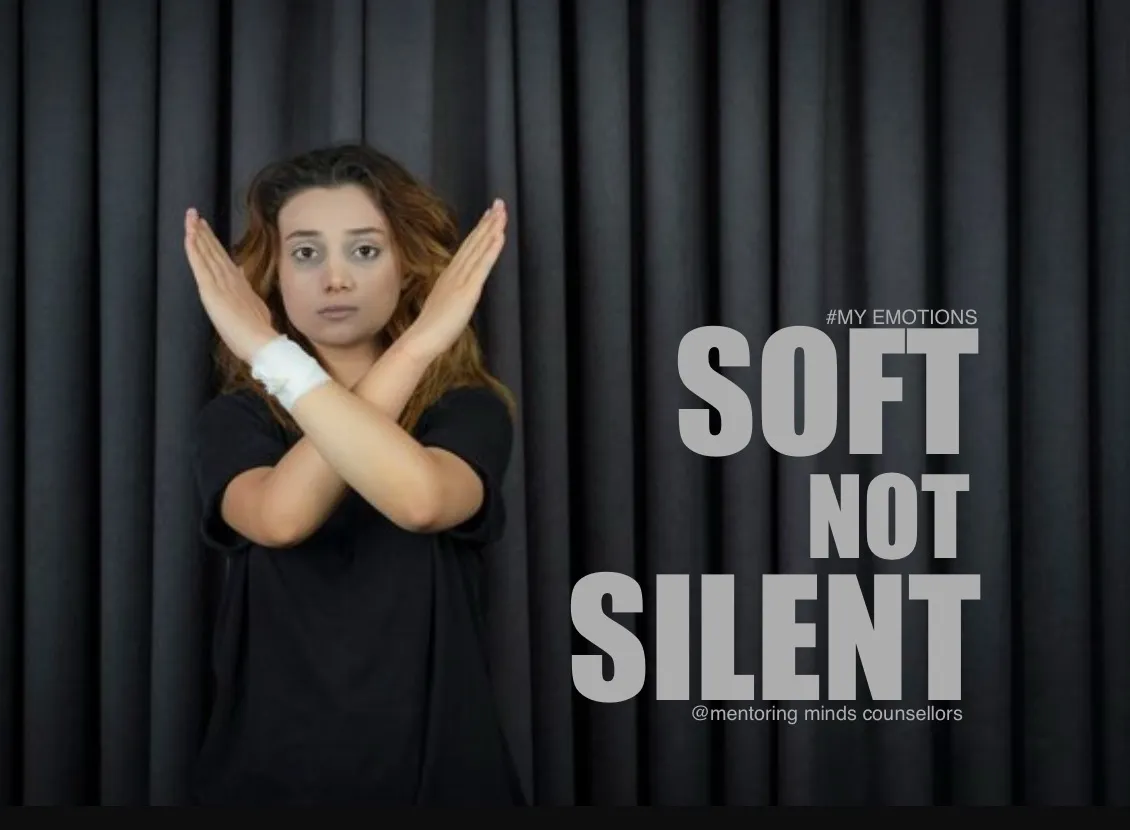
Trauma, on the other hand, refers to the lasting psychological impact of an overwhelming event or series of events. Unlike fear, which is immediate and short-term, trauma involves a deep, often long-lasting effect on an individual’s mental and emotional state. It arises from experiences that are distressing to the extent that they disrupt your ability to cope. Trauma can result from events such as abuse, accidents, or witnessing violence.
What can be the Difference?
- Duration: Fear tends to be transient, while trauma has a long-lasting impact. A fearful reaction may last moments or hours, but trauma can persist for years and might affect one’s daily functioning and relationships.
- Intensity: Fear is a response to a current threat, whereas trauma is linked to past events that continue to haunt an individual. Trauma often involves a sense of helplessness or powerlessness that remains long after the event has passed.
- Response and Recovery: Fear typically resolves once the danger is over, while trauma often requires more extensive healing. The recovery from trauma may involve therapy, support systems, and time to process and heal.
What can be the Take aways?
We at Mentoring Minds Counsellors believe that understanding the above distinctions is vital in providing appropriate support and facts. For fear, practical strategies like grounding techniques and exposure therapy can be effective.
However across both the cases, recognising the nature of the emotional experience can lead to better management and healing.