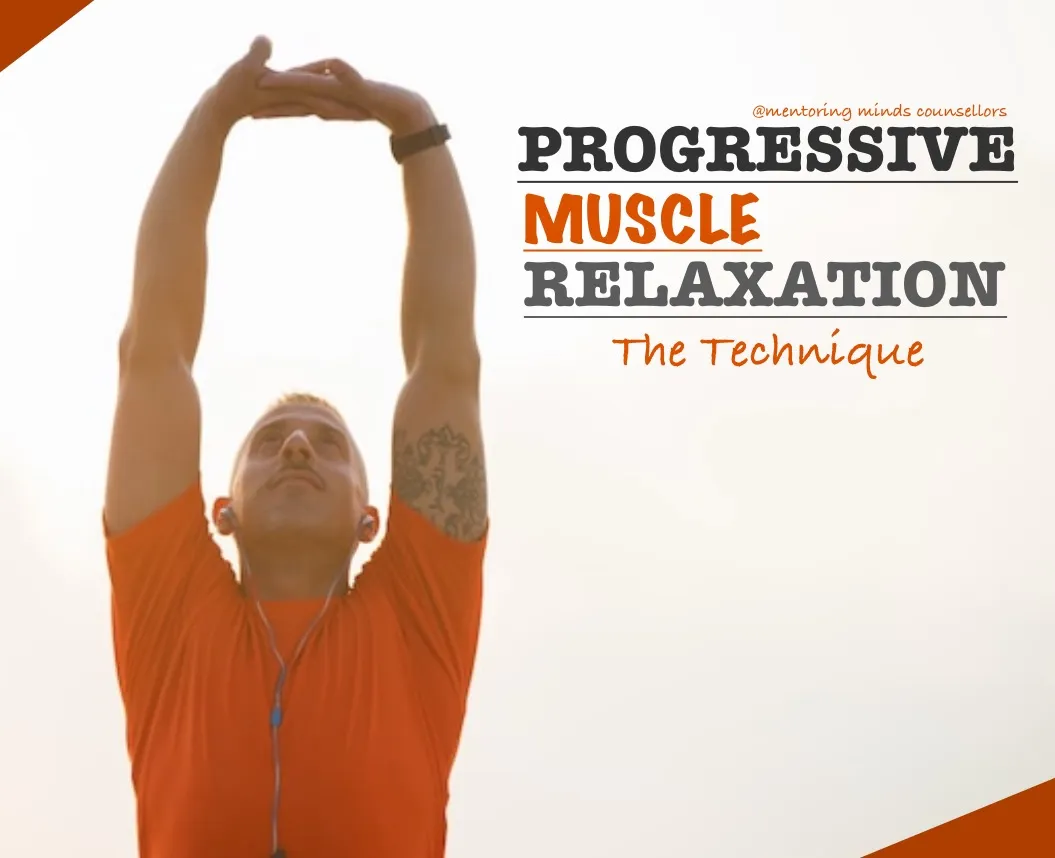
When stress builds up in our bodies, it doesn’t just stay in our minds it shows up as tight shoulders, clenched jaws, or even headaches. Often, we don’t notice how much tension we’re carrying until it starts to feel overwhelming. That’s where Progressive Muscle Relaxation (PMR) can be a powerful tool.
What is Progressive Muscle Relaxation?
PMR is a stress management practice that involves two steps:
- Tensing a muscle group for a few seconds.
- Releasing the tension and noticing how the muscle feels as it relaxes.
By moving through different parts of your body in this way hands, arms, shoulders, legs, feet you train yourself to recognize the difference between tension and relaxation. Over time, this awareness helps you catch stress earlier and let go of it more easily.
Mental Health Benefits of PMR?
- Reduces anxiety and stress
When the body relaxes, the nervous system shifts out of “fight or flight” mode, making it easier to calm racing thoughts. - Improves sleep
Doing PMR before bed helps signal to your body that it’s safe to rest, easing insomnia or restless nights. - Boosts emotional regulation
By breaking the cycle of physical tension, PMR can help you respond to stressful situations with more clarity and less reactivity. - Enhances mindfulness
It teaches you to stay present in the body, anchoring your awareness away from constant overthinking.
How to Practice Progressive Muscle Relaxation?
Here’s a simple step-by-step routine you can try anywhere quiet:
- Find a comfortable spot – Sit or lie down where you won’t be disturbed. Close your eyes if that feels comfortable.
- Start with your feet – Curl your toes tightly for about 5 seconds. Notice the tension. Then release for 10–15 seconds and notice the difference.
- Move upward – Progress slowly through each muscle group: calves, thighs, hips, stomach, chest, shoulders, arms, hands, neck, and face.
- Breathe naturally – Inhale as you tense, exhale as you release. Let your breath guide the rhythm.
- Finish with a body scan – Once you’ve gone through all the muscle groups, take a moment to notice how your body feels as a whole lighter, looser, calmer.
A full session usually takes about 10–15 minutes, but even a few minutes can help when stress strikes
When to Use PMR?
- Before bed to prepare for sleep
- During a stressful workday break
- After a difficult conversation
- Before public speaking or an exam
- Anytime you feel “on edge” and need to ground yourself
Final Thoughts
We at Mentoring Minds Counsellors understand that Progressive Muscle Relaxation isn’t about forcing calm it’s about giving your body and mind permission to let go of what they’ve been holding on to. With regular practice, it becomes a gentle reminder that you don’t have to carry tension all the time.
Think of it as a reset button: simple, free, and always available when life feels heavy.