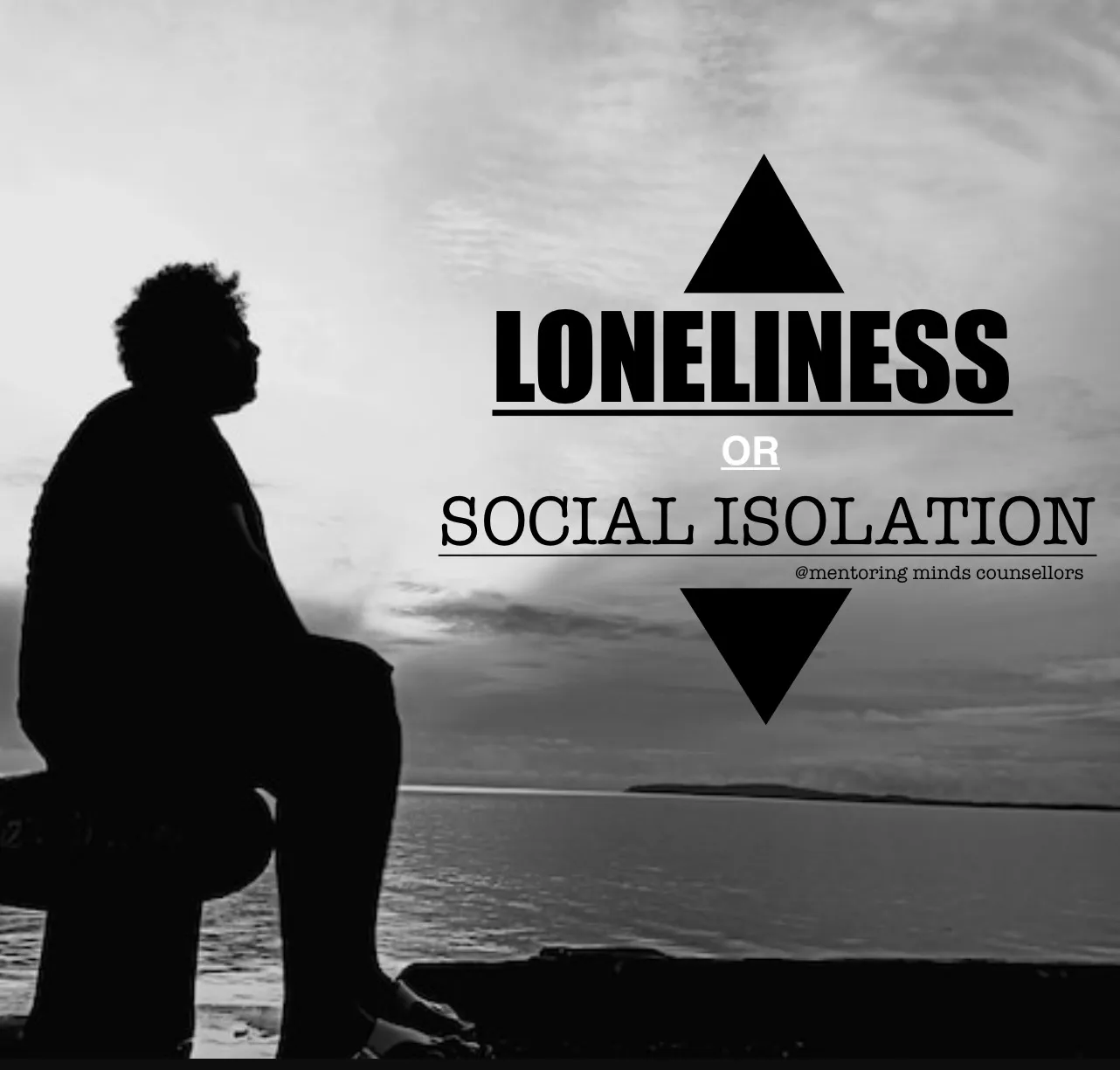
What is Social Isolation?
Social isolation is more than just being alone. It’s a state where a person has minimal contact with others and lacks a sense of belonging, support, or genuine connection. It can be physical (like living alone or not going out), emotional (feeling misunderstood or unseen), or both.
This isn’t about being introverted or enjoying solitude it’s when isolation becomes distressing or impacts your mental, emotional, and even physical health. It’s linked to anxiety, depression, cognitive decline, and even chronic health conditions like high blood pressure and weakened immunity.
What Causes Social Isolation?
Social isolation doesn’t always happen overnight. It can slowly creep in due to life circumstances like:
- Loss of a loved one
- Retirement or job loss
- Moving to a new place
- Living with a chronic illness or disability
- Technology replacing face-to-face interaction
- Mental health challenges like anxiety, depression, or trauma
Even in a world more connected than ever, many feel increasingly disconnected.
Signs You Might Be Socially Isolated
Sometimes, we don’t realize we’re socially isolating ourselves until it deeply affects us. Here are a few signs:
- Feeling like no one really knows you
- Avoiding social events or calls
- Constant loneliness or sadness
- Low motivation to reach out or connect
- Feeling anxious or drained after minimal interaction
How to Overcome Social Isolation
1. Acknowledging How You Feel
Start by being honest with yourself. There’s no shame in feeling lonely or isolated many go through it. Naming your emotions helps you face them and decide what to do next.
2. The Small Start Goals, But Begin
You don’t have to jump into big gatherings or force friendships. Begin by:
- Saying hello to a neighbor
- Calling a friend or family member
- Joining a small class or workshop
- Volunteering in your community
Small steps build confidence and comfort.
3. Adding Wise Technology
While too much screen time can deepen isolation, using technology to connect can be helpful.
- Video chatting with a friend
- Joining online communities with shared interests
- Attending virtual support groups or therapy sessions
4. Creating a Daily Structure
Having a routine gives a sense of purpose. It could include exercise, creative work, self-care, and scheduled connection time. Predictability can ease the mind and reduce the emotional weight of loneliness.
6. Getting Out Into the World
Physical presence matters. Go to a park, sit in a café, or walk in a place where others are around even without interacting. Just being in public spaces can help retrain your brain to feel connected again.
Final Thoughts
We at Mentoring Minds Counsellors understand that Social isolation is real, painful, and heavy but it’s also something you can move through. You don’t need dozens of people around you to feel whole. Often, one genuine connection can begin to change everything. Be kind to yourself in the process. Healing loneliness takes time, courage, and compassion especially for yourself.
You deserve to be seen, heard, and supported. Start where you are, and remember: you are not alone in feeling alone. And you won’t always feel this way.