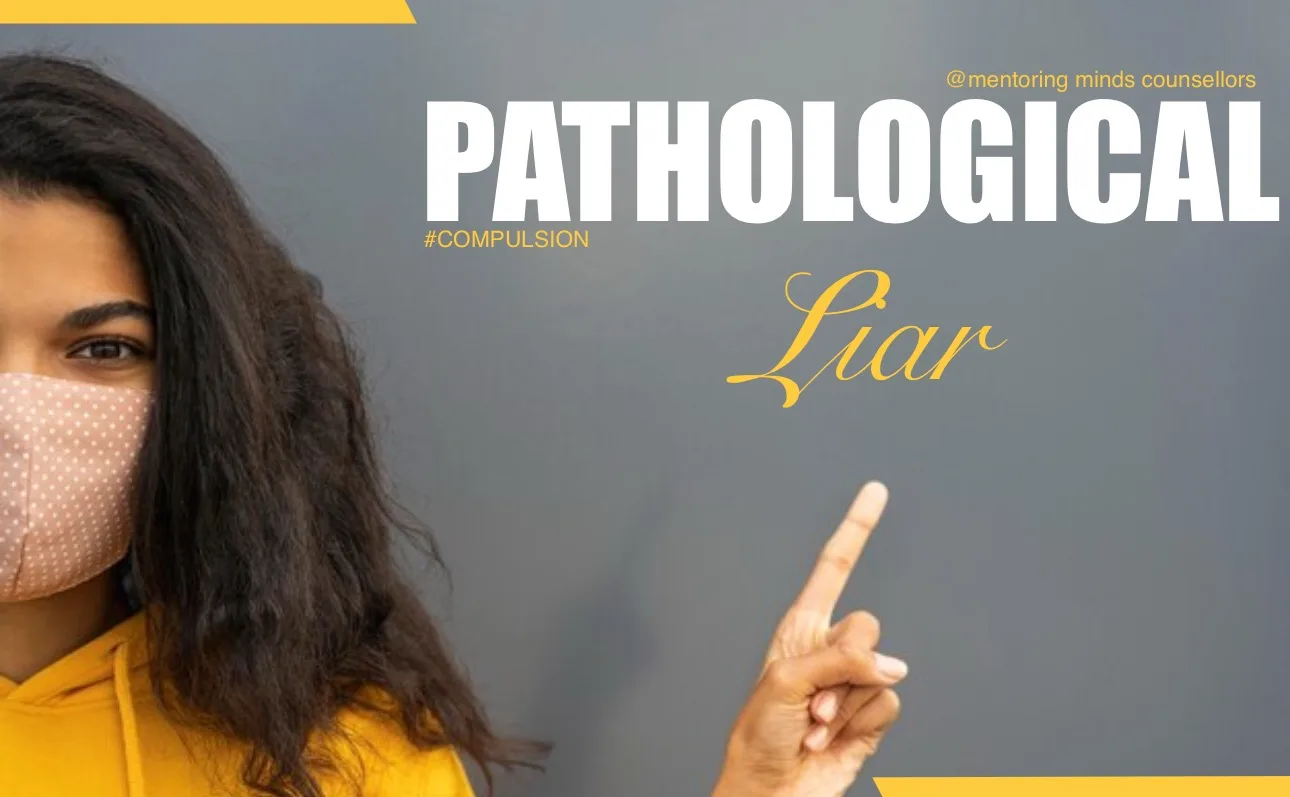
We all lie sometimes. We exaggerate a story, hide a mistake, or say “I’m fine” when we’re not. But there’s a different kind of lying that goes beyond social behavior pathological lying. It’s not just bending the truth; it’s a pattern of compulsive, unnecessary, and sometimes self-destructive lying that can deeply affect relationships, identity, and emotional well-being.
What Is a Pathological Liar?
A pathological liar is someone who lies frequently and habitually, often without a clear benefit or reason. These lies can be small or dramatic, personal or about others, and sometimes even the liar struggles to separate reality from their own stories.
Pathological lying isn’t officially classified as a standalone disorder, but it is often linked with psychological conditions like:
- Personality disorders
- Trauma histories
- Low self-worth
- Impulse control issues
Why Do People Lie Pathologically?
It’s easy to assume that pathological liars enjoy deception. In reality, the behavior usually comes from emotional wounds rather than manipulative power.
1. A Deep Need for Validation
Some lies come from a desire to be admired, loved, or accepted.
If someone grew up feeling invisible or “not enough,” lying can become a shortcut to belonging.
2. Escape from Painful Reality
Lies can build a world that feels safer than the truth.
For someone with trauma, shame, or insecurity, lies are like emotional armor.
3. Attention and Identity Building
Pathological lies can create a sense of identity heroic stories, achievements, talents, connections that help the person feel significant.
4. Habit Formed Over Time
Sometimes lying begins with a purpose but later becomes automatic. The brain learns that lying avoids discomfort, so it repeats the behavior.
5. Psychological Conditions
Certain mental health conditions influence impulsivity, empathy, or self-perception, which can increase lying behavior.
What’s important to remember: behind every pathological lie is a psychological function, even if it’s unhealthy.
How Pathological Lying Affects Life
The consequences can be painful:
- Relationships become unstable.
- Trust breaks.
- The person feels guilt, anxiety, or shame.
- They become isolated when lies collapse.
- The liar begins to fear the truth catching up.
Ironically, pathological lying often destroys the very connection a person is trying to protect.
Can Someone Overcome It? Absolutely.
Overcoming pathological lying isn’t just about “telling the truth.” It’s about healing the emotional engine that drives the lies.
Here’s how that process usually looks:
1. Awareness and Honesty With Self
The hardest part isn’t lying to others it’s lying to yourself.
Noticing patterns like “I lied even though I didn’t need to” is the first step toward change.
Journaling helps.
So does asking: What emotion am I avoiding?
2. Understanding the Root Cause
Therapy can uncover the “why” behind the lies:
- fear of rejection
- shame
- low self-esteem
- need for control
Once the root is understood, the behavior becomes easier to change.
3. Practicing Truth in Safe Spaces
Starting it small:
- Tell the truth about something minor.
- Share vulnerable emotions honestly.
- Admit imperfections.
Truth feels terrifying at first, but it becomes freeing.
4. Building Self-Worth
When someone feels enough, they stop trying to perform for others.
Self-worth builds through:
- achievements earned honestly
- authentic relationships
- self-compassion
- boundaries and values
The more grounded someone feels, the less they need lies as protection.
Healing Takes Time
Pathological lying doesn’t develop overnight, and it doesn’t disappear overnight either.
But change is absolutely possible. Thousands of people have broken this cycle by choosing vulnerability over performance.
What we judge on the surface often hides a painful story underneath.
If You’re Someone Who Lies Compulsively
Ask yourself:
- When did I start lying?
- What was I protecting?
- What am I afraid people might see?
The truth can be uncomfortable yet it is the only path to authentic love and respect.
Final Thoughts
We at Mentoring Minds Counsellors understand that the Pathological lying isn’t just about deception it’s about pain, protection, and survival. Every exaggerated story and false identity is a sign of a deeper emotional need that hasn’t been met.
Healing begins when we stop judging the surface and start understanding the story underneath.
Truth is not perfection it’s courage.