What Is Long-Term Anxiety?
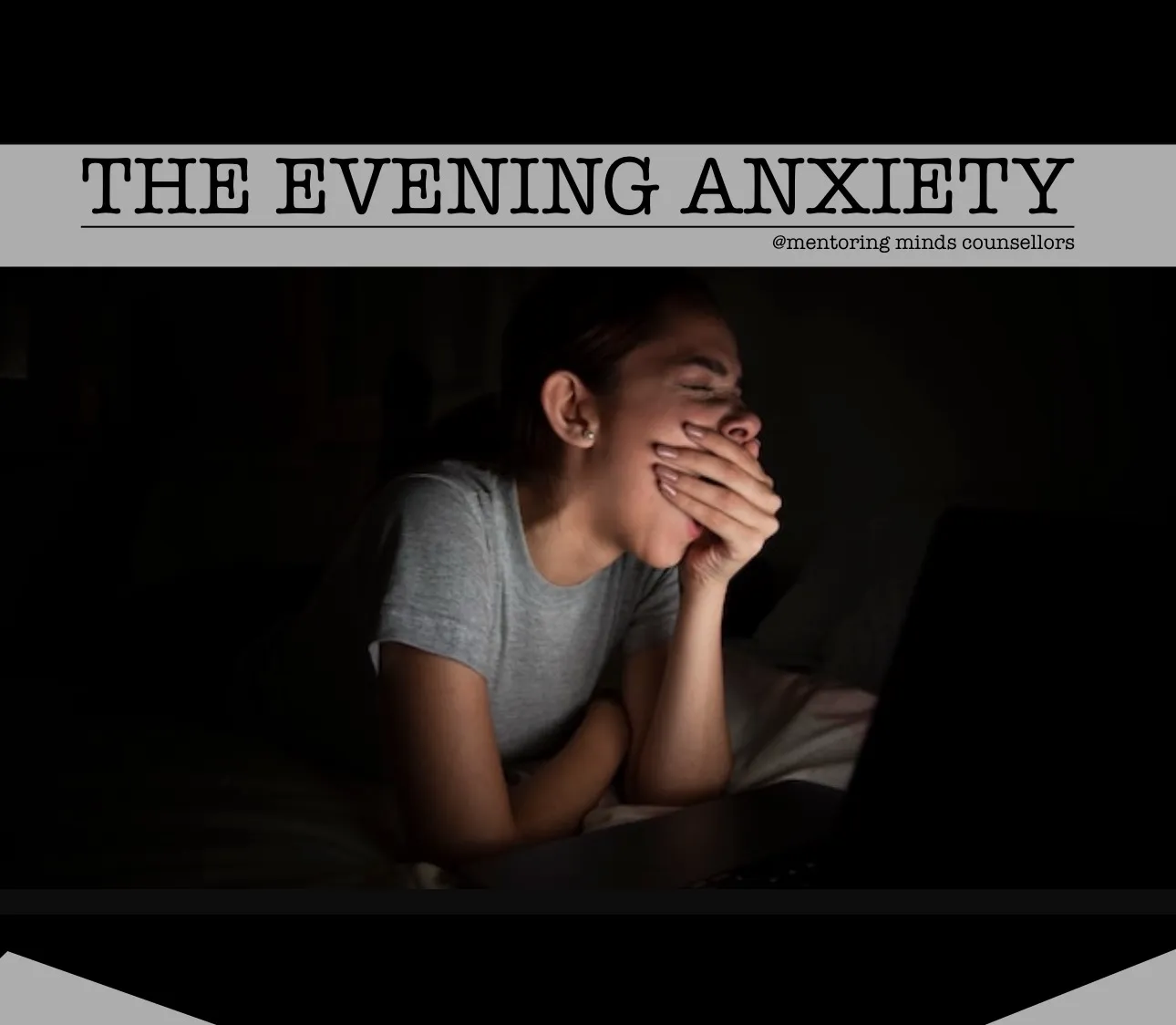
Anxiety is something most of us feel at some point before an exam, during a job interview, or when life throws us unexpected challenges. But when anxiety doesn’t go away, when it lingers for months or even years, it’s no longer just a passing feeling. It becomes long-term anxiety.
Long-term anxiety is not simply “worrying too much.” It can quietly shape how we think, act, and even how we feel about ourselves. It might come in the form of Generalized Anxiety Disorder (GAD), social anxiety, health anxiety, or a mix of them. What defines it is that it sticks around, sometimes in the background, sometimes right in your face and over time, it can wear you down mentally, emotionally, and even physically.
Signs You Might Be Living With Long-Term Anxiety
- Persistent worrying over everyday situations
- Feeling on edge or restless, even when things are calm
- Fatigue despite getting rest
- Racing thoughts that won’t slow down
- Trouble concentrating
- Avoiding situations that trigger fear
- Physical symptoms like tightness in the chest, digestive issues, or muscle tension
- A sense of dread or that something bad will happen, even without reason
If this feels familiar, you’re not alone. And you’re not weak or broken. You’re just human, going through something your nervous system hasn’t figured out how to turn off yet.
Why Does Long-Term Anxiety Happen?
There’s rarely one single reason. It often builds over time.
- Life experiences: Past trauma, childhood environments, or overwhelming stress.
- Personality traits: Highly sensitive or perfectionistic people may be more prone.
- Unresolved emotions: Suppressed feelings or unresolved grief can silently fuel anxiety.
The problem is, the longer we live with anxiety, the more normal it feels. We adjust our lives around it, avoiding things, over-controlling outcomes, or numbing ourselves. But deep down, we know we’re not really living fully.
How Do You Overcome Long-Term Anxiety?
Overcoming anxiety doesn’t mean it will disappear forever. It means learning how to live with it, respond to it with awareness, and reclaim your life from its grip.
1. Name It Without Shaming It
Acknowledge your anxiety. Say it out loud. “I’m feeling anxious right now, and that’s okay.” Awareness is the first step. Hiding from it gives it more power. Naming it brings it into the light where you can work with it.
2. Breathe Like You Mean It (PMR)
When anxiety hits, your breath becomes shallow. Practicing slow, intentional breathing tells your nervous system you’re safe. Try this:
4-7-8 breathing part of (PMR)
Inhale for 4 seconds → Hold for 7 seconds → Exhale for 8 seconds
Repeat for a few minutes. It’s simple but powerful.
3. Challenge the Thought Loop
Anxiety thrives on worst-case thinking. Ask yourself:
- “Is this thought 100% true?”
- “What else could be true?”
- “If this did happen, could I handle it?”
Often, our mind overestimates danger and underestimates our ability to cope.
4. Moving the Body
You don’t need to run a marathon. Just move. Walk. Stretch. Dance in your living room. Exercise burns off excess adrenaline and helps reset your system. Your body stores stress movement helps release it.
5. Practice Safe Exposure
Start facing the things anxiety tells you to avoid. Little by little. Avoidance feeds fear. Exposure shrinks it. If social situations make you anxious, start by making eye contact with a stranger. Small steps matter.
6. Connecting with Others
Anxiety can be isolating. But you don’t have to go through it alone. Talk to someone. Sometimes, saying “I’m not okay” is the bravest thing you can do.
The Final Note: You’re Not Your Anxiety
We at Mentoring Minds Counsellors understand that You are not your Anxiety but might be living with anxiety. It doesn’t define your identity, worth, or your future. Healing is not linear. Some days will be easier than others. But the fact that you’re still showing up, even while struggling, is a sign of strength not weakness.
You’re not alone in this journey and you’re not stuck forever. With time, the right support, and small daily shifts, it is possible to feel lighter, freer, and more like yourself again.