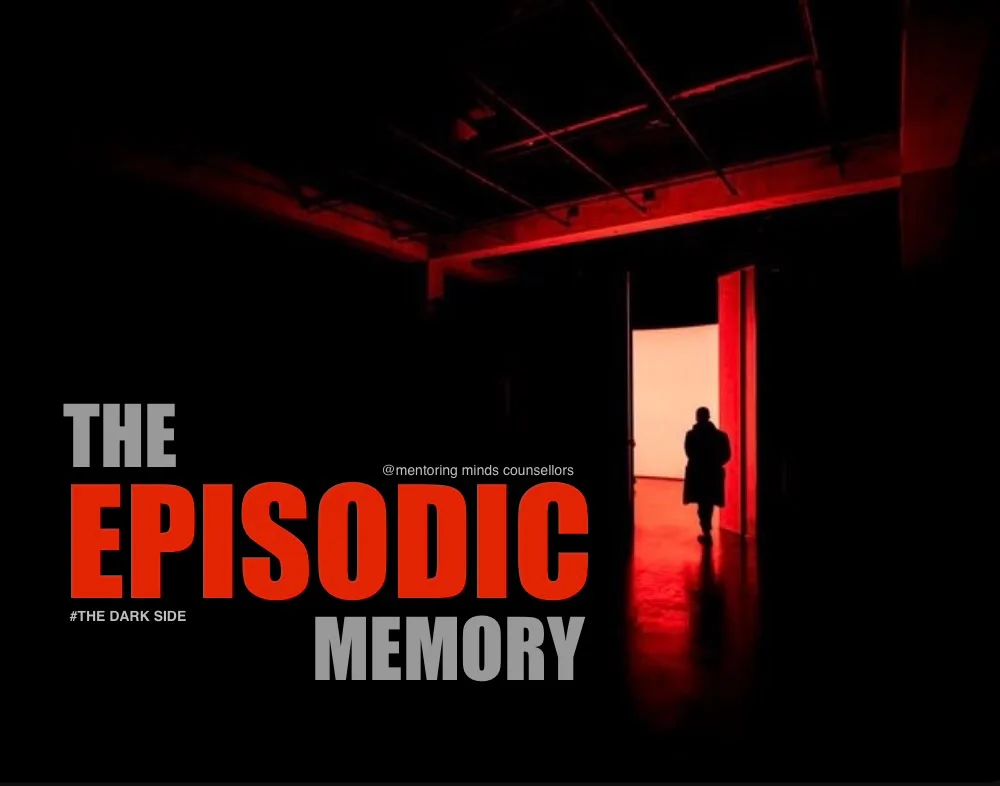
Human memory is not just about remembering facts or information; it is also about remembering experiences. One of the most important types of memory that shapes how we think, feel, and react is episodic memory. Understanding episodic memory can help us understand why certain events from our past suddenly come back to us and influence our emotions in the present.
What is Episodic Memory?
It refers to the ability to recall specific events or experiences from our personal past. These memories usually include details such as time, place, emotions, and the people involved.
For example:
- Remembering your first day at school
- Recalling a birthday celebration
- Remembering an argument you had with someone
- Recalling a moment when you felt extremely happy or embarrassed
These memories are like mental time travel. When we remember them, we often re-experience the emotions associated with that moment.
What can Trigger it ?
A trigger is anything that activates or brings back a particular memory. Sometimes these triggers can suddenly bring back a memory along with the emotions attached to it.
Common triggers include:
- Smells (like perfumes)
- Music associated with a particular event
- Places you have visited before
- People connected with a past experience
- Words or conversations that resemble past situations
For example, hearing a song that was playing during a difficult period in your life may suddenly bring back those emotions.
Why Do Some Episodic Memories Become Triggers?
The brain stores emotionally intense experiences more strongly. When an event is associated with strong emotions such as fear, embarrassment, grief, or happiness, it forms a stronger neural pathway in the brain.
When a similar stimulus appears later in life, the brain may activate the same memory network, creating a triggered emotional response.
How to Neutralise Triggers of Episodic Memory?
1. Awareness and Identification
2. Cognitive Reframing
3. Gradual Exposure
4. Emotional Processing
5. Mindfulness and Grounding Techniques
6. Memory Reconsolidation
Final Thoughts
We at Mentoring Minds Counsellors understand that Episodic memory is an essential part of human identity because it stores the story of our lives. However, when certain memories become emotional triggers, they can influence our reactions in the present.
The goal is not to erase memories but to change our relationship with them. Through awareness, cognitive restructuring, and emotional processing, individuals can reduce the emotional power of painful episodic memories and respond to present situations with greater clarity and balance.
In this way, the past remains a lesson rather than a limitation.