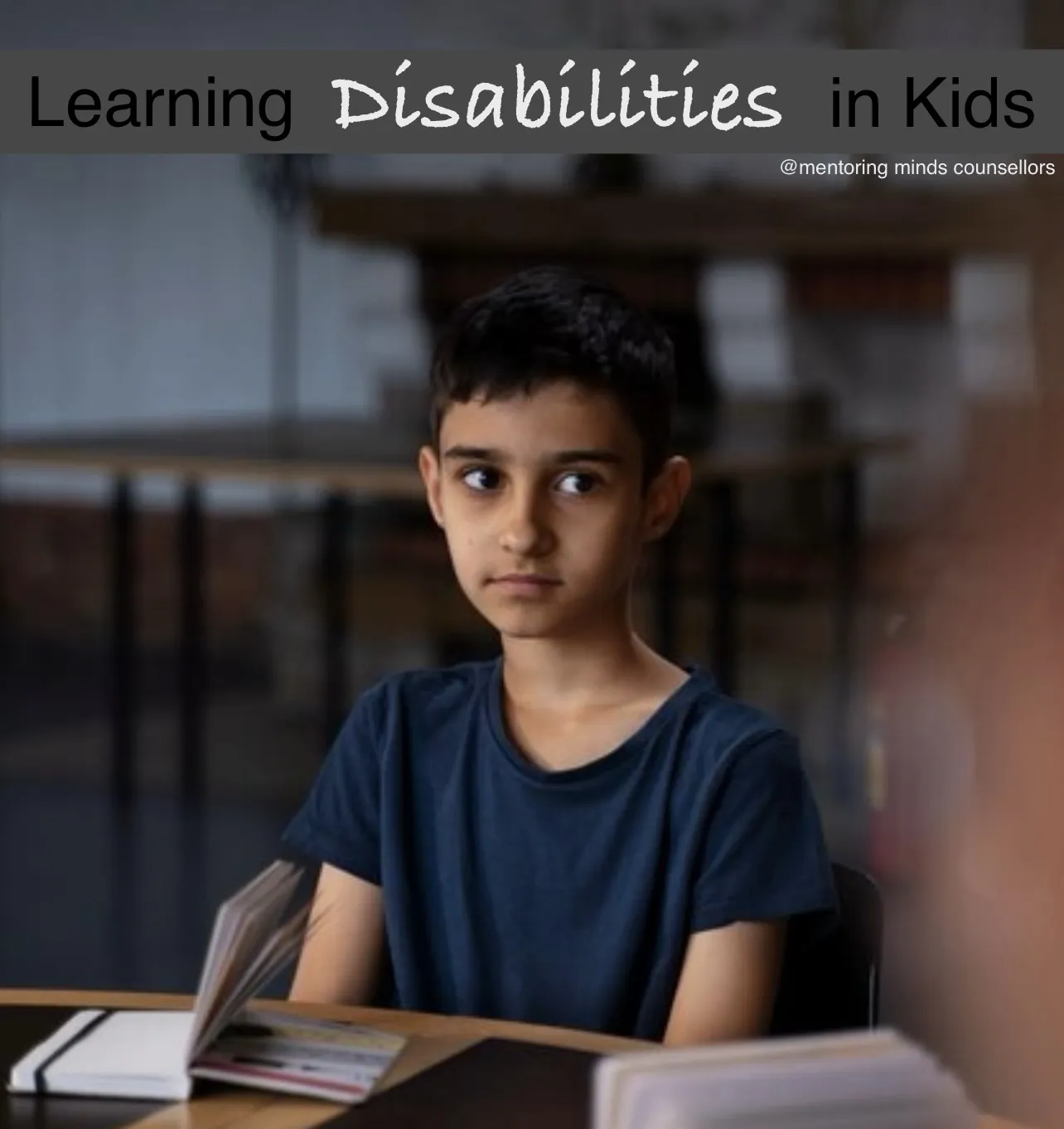
Childhood is a time of discovery and growth, but it can also be a period marked by fears and anxieties. While it’s normal for children to experience fears, such as being afraid of the dark or strangers, some fears can escalate into phobias—intense, irrational fears that interfere with daily life. Understanding childhood phobias is crucial for parents, educators, and caregivers to provide the necessary support and interventions.
What Are Childhood Phobias?
A phobia is more than just a fleeting fear. It is an overwhelming and persistent fear of a specific object, situation, or activity that is out of proportion to the actual danger it poses. Childhood phobias can range from fear of animals (zoophobia) to fear of certain places (agoraphobia) or situations like being away from parents (separation anxiety disorder).
Common Causes of Childhood Phobias
- Genetic Factors: Research suggests that genetics can play a role in the development of phobias. Children with a family history of anxiety or phobic disorders are more likely to develop similar issues.
- Traumatic Experiences: A direct negative experience, such as being bitten by a dog, can trigger a lasting fear of dogs.
- Learned Behavior: Children often learn fears from observing their parents or others. If a parent exhibits a strong fear of something, the child may also develop that fear.
- Environmental Factors: Stressful or traumatic events, such as the loss of a loved one, divorce, or moving to a new place, can contribute to the development of phobias.
Symptoms of Childhood Phobias
The symptoms of phobias can vary, but common signs include:
- Intense Fear: An overwhelming and irrational fear of a specific object or situation.
- Avoidance Behavior: Going out of their way to avoid the feared object or situation.
- Physical Symptoms: Rapid heartbeat, sweating, trembling, dizziness, or stomachaches when exposed to the feared stimulus.
- Emotional Distress: Extreme anxiety, panic attacks, crying, or clinging to a caregiver.
Conclusion
Phobias in childhood are not uncommon and can be distressing for both the child and their family. However, with understanding, patience, and appropriate strategies, children can overcome their fears and lead a more confident and anxiety-free life. Early intervention and support are key to helping children navigate and conquer their phobias, paving the way for healthier emotional and psychological development.