All of us goes through situations where the pressure feels unbearable an exam hall, a crucial work presentation, a tense argument, or even a simple decision that carries heavy consequences. In these moments, staying mentally calm seems impossible. But calmness isn’t the absence of pressure it’s the art of staying steady within it.
1. Thinking on Reacting
When stress peaks, our first instinct is often to react to fix, defend, or escape. But the real power lies in pausing. A simple deep breath can interrupt that chain reaction of panic. It gives your mind a second to think before your emotions take over.
2. Reframing the Pressure
Pressure often comes from how we perceive a situation. Instead of thinking, “I can’t mess this up,” try shifting your mindset to “I’m capable of handling this.”
Reframing doesn’t erase the challenge, but it turns it into an opportunity to show strength, rather than a test of survival.
3. Focusing towards Control
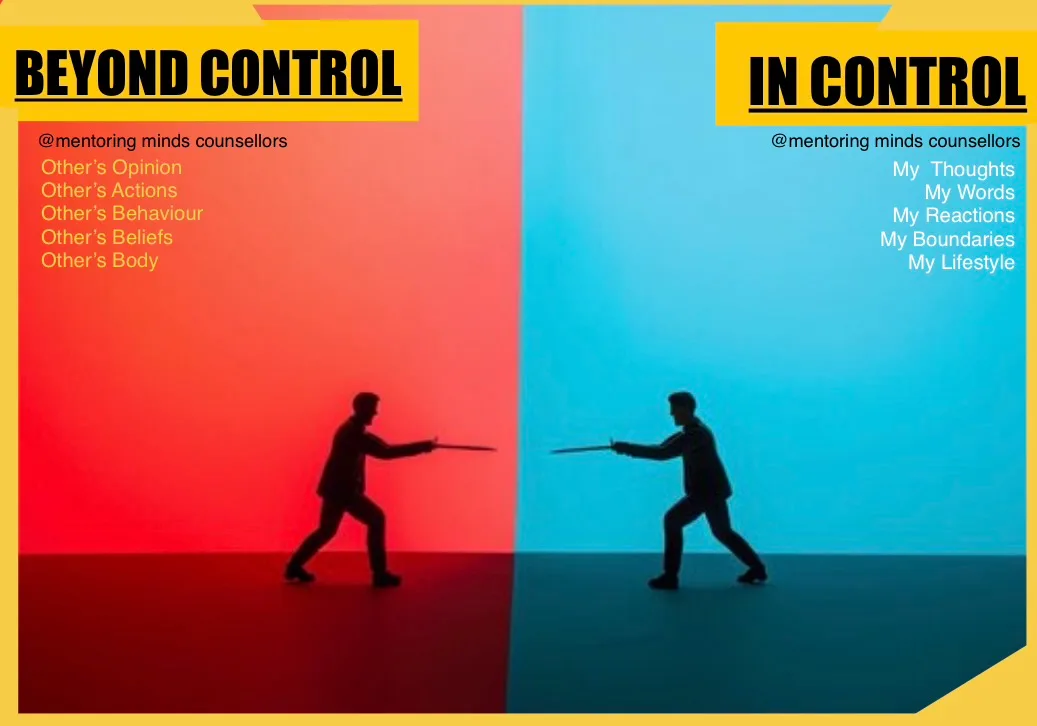
In stressful situations, your mind races toward “what ifs.” The key to staying calm is to return your focus to the controllable your effort, your attitude, and your preparation. The rest will unfold as it should. Energy wasted on the uncontrollable only fuels anxiety.
4. Grounding in the Present
An anxious mind lives in the future worrying about outcomes. To find calm, bring yourself back to now.
Try grounding techniques like noticing five things you can see, four you can touch, three you can hear, two you can smell, and one you can taste. This sensory awareness reminds your brain that you’re safe in this moment.
5. Speaking Positive Affirmations
In high-pressure moments, we can become our own harshest critics. Replace self-blame with self-support. Say to yourself what you’d say to a close friend: “You’re doing your best. Take it one step at a time.” This self-talk shifts your emotional tone from panic to reassurance.
6. Practicing without Crisis
Mental calmness is a skill, not a switch. Meditation, journaling, mindfulness, or simply spending quiet time alone can build emotional strength over time. When you make calmness a daily habit, your mind learns how to return there when life gets chaotic.
7. Acceptance without Fighting
Trying to get rid of stress often adds more tension. Instead, acknowledge it: “Yes, this is hard, but I can face it.” Acceptance helps you move through the moment with grace, rather than resistance.
In the End…
We at Mentoring Minds Counsellors understand that Calmness doesn’t mean you stop feeling pressure it means you learn to stay grounded amid it. It’s about breathing deeply when your heart races, trusting yourself when doubt creeps in, and remembering that every storm passes.
Your mind has more strength than you think. Sometimes, all it needs is your permission to slow down.