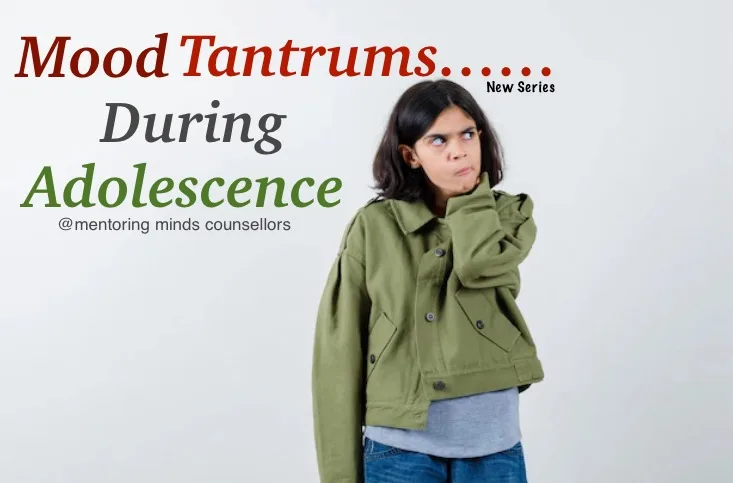
we all know and agree that Adolescence is a transformative period marked by rapid physical, emotional, and cognitive changes. One of the more challenging aspects of this stage for both teens and their families is mood tantrums. These intense emotional outbursts can be confusing and distressing, but understanding their underlying causes can help manage and mitigate their impact.
What Are Mood Tantrums?
Lettuce understand this first, the Mood Tantrums during adolescence are characterized by sudden, intense episodes of emotional outbursts. These can range from anger and frustration to sadness and despair. Unlike childhood tantrums, which often stem from a lack of coping skills or communication abilities, adolescent mood tantrums are influenced by a complex interplay of biological, psychological, and social factors.
What are the Psychological Factors?
During adolescence, individuals begin to explore their identity and independence, which can lead to increased self-consciousness and internal conflict. The struggle to establish a personal identity, combined with heightened sensitivity to peer opinions and societal expectations, can contribute to mood swings and tantrums. Additionally, unresolved emotional issues or underlying mental health conditions, such as anxiety or depression, can exacerbate these outbursts.
Does Social Factors impact it?
Peer relationships and social dynamics play a crucial role in adolescent development. Teens are heavily influenced by their friends and social circles, and conflicts or pressures from these relationships can trigger mood tantrums. Family dynamics also play a role; changes in family structure, communication breakdowns, or conflicts with parents and siblings can contribute to emotional instability.
How can I help to manage the Mood Tantrums?
Understanding that mood tantrums are a normal part of adolescent development is the first step in addressing them. Here are some strategies for managing these outbursts:
- Understanding the Coping Skills: Help teens develop healthy coping mechanisms for managing their emotions. Techniques such as deep breathing, mindfulness, and journaling can be effective in reducing emotional intensity.
- The Emotional Regulation: Demonstrate healthy emotional regulation and problem-solving skills. Teens often learn by example, so modeling calm and constructive behavior can influence their own emotional responses.
The Final Statement
We at Mentoring Minds Counsellors understand that Mood tantrums during adolescence are a natural part of development, reflecting the complex changes occurring during this life stage. By understanding the biological, psychological, and social factors that contribute to these outbursts, families can better support teens through this challenging period. Patience, empathy, and effective communication are key to helping adolescents navigate their emotions and develop into well-adjusted adults.