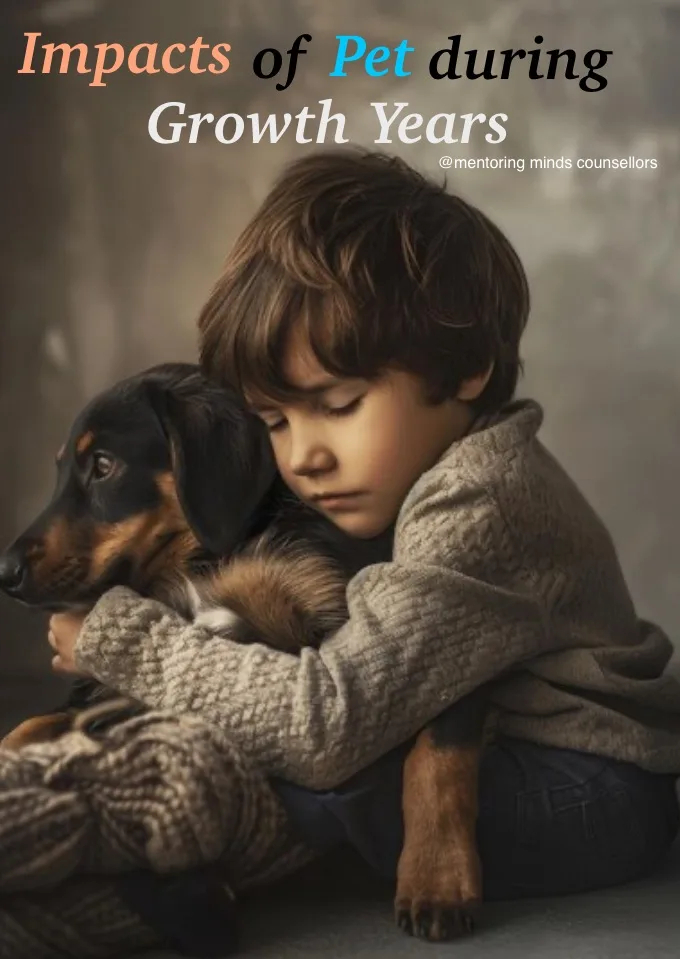
Growing up with a pet can be one of the most enriching experiences of childhood. Pets, whether they’re dogs, cats, birds, or even more exotic animals, offer a unique blend of companionship and life lessons that can shape a child’s development in profound ways.
1. Interesting Emotional Development
Pets offer a steadfast source of emotional support. For many children, a pet is a constant companion who provides unconditional love and affection. This bond can be particularly comforting during challenging times, such as family changes or school difficulties. The emotional security pets offer can help children develop empathy, as they learn to care for and respond to their pet’s needs.
2. Better Social Skills
Interacting with pets can enhance a child’s social skills. Pets require care and attention, which encourages children to practice responsibility and develop routines. Additionally, pets can act as social catalysts. Children who are more reserved might find it easier to engage with peers when they have a shared interest in their pet. The presence of a pet can also provide a common ground for building friendships and improving social interactions.
3. Improved Physical Activity
Pets, especially dogs, can encourage physical activity. Daily walks, playtime in the yard, or engaging in fetch not only help keep pets active but also provide valuable exercise for children. This can contribute to healthier lifestyles and combat issues like childhood obesity. Moreover, outdoor play with a pet can lead to increased exposure to nature, which has its own set of developmental benefits.
4. Better Routine and Responsibility
Caring for a pet involves routine and responsibility. Feeding, grooming, and exercising a pet requires consistent effort, teaching children the importance of commitment and follow-through. These responsibilities can foster a sense of accountability and independence. Moreover, children often experience a sense of pride and accomplishment when they see their pet thriving due to their care.
5. Enhanced Stress Relief
The presence of a pet has been shown to lower stress levels in both children and adults. Petting a dog or cat can reduce anxiety and provide a calming effect. For children dealing with stress from school or personal issues, the soothing presence of a pet can be incredibly beneficial. This interaction not only helps with immediate stress relief but also builds resilience over time.
In conclusion
We at Mentoring Minds Counsellors The impact of pets on children during their formative years is multi-faceted and deeply beneficial. From fostering emotional security and social skills to encouraging physical activity and responsibility, pets play a vital role in shaping a child’s growth and development. For many, the lessons learned and the memories made with a beloved pet are cherished lifelong.