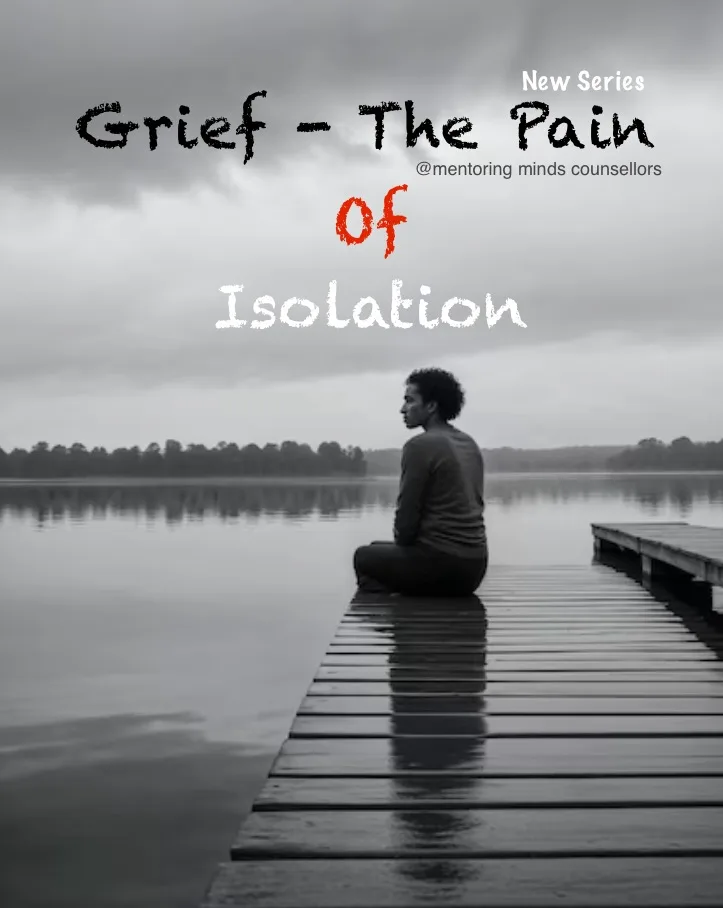
Grief is a very difficult emotion that an individual goes through in his or her personal experience, that touches the core of our being. When we lose someone close to us, it’s not just the absence of that person that causes pain; it’s also the isolation that often accompanies this profound sense of loss.
For many, grief is experienced by a sense of loneliness. Friends and family might not fully understand what you’re going through. They may offer well-meaning words of comfort, but these can sometimes fall short of bridging the emotional chasm you feel. This isolation can deepen the ache of loss, making you feel as though you’re navigating your sorrow alone.
The isolation in grief isn’t always visible to others. It’s an internal struggle that manifests in different ways—through silence, withdrawal, or a reluctance to engage in the world as you once did. This sense of separation from the rest of society can make the world seem indifferent or even hostile to your pain. You might find yourself pulling away from social interactions, not because you want to, but because the energy required to engage feels overwhelming.
In the quiet of solitude, the pain of grief can feel magnified. The silence that once might have been comforting now feels like a void, amplifying the feeling of being alone in your sorrow. It’s in these moments that the weight of loss can seem unbearable, as if the world has shifted and left you behind.
Finding ways to bridge this gap is crucial. Reaching out to others who have experienced similar losses can provide solace.
How do I overcome Grief?
1. Create Rituals
Engaging in activities that honor your loss can be therapeutic. This might involve creating a memory book, planting a tree in remembrance, or participating in a memorial event. Rituals can offer a way to celebrate the life of what you’ve lost and provide a sense of closure.
2. Go Slow
Grief doesn’t have a set timeline. Some days will be harder than others, and that’s okay. Be patient with yourself and recognize that healing is a gradual process. Celebrate small victories and allow yourself grace as you navigate through this challenging time.
3. The Purpose of Life Forward
Eventually, try to focus on the future. Grief can make it difficult to see beyond the present, but finding hope and setting small goals can help you move forward. It’s not about forgetting or replacing what you’ve lost but about finding a new way to live and grow.
The Summary
We ant Mentoring Minds Counsellors would suggest that it is important to remember that isolation is a common experience in grief, not a permanent state. Allowing yourself to be vulnerable and seek support is a step towards healing. Over time, the pain may not disappear, but it can become more manageable. The connection you form with others and the understanding you gain through sharing your experience can help restore a sense of belonging and ease the loneliness that grief brings.
Grieving is a journey, one that requires patience and compassion for yourself. Acknowledge the isolation, but also recognize that it is a part of the process and not a reflection of your worth or the love you had. In the end, finding and nurturing connections, whether through shared experiences or professional support, can help navigate the path from isolation to healing.