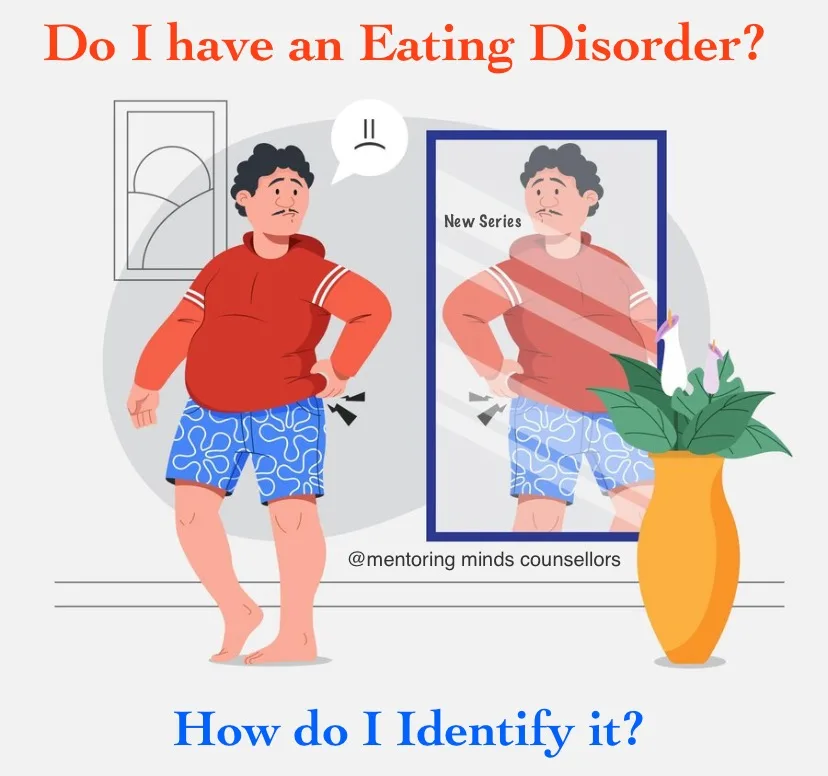
Eating disorders are complex mental health conditions ; however, it is not about the weight only. They often involve a preoccupation with food, body weight, and shape, and can have serious physical and emotional consequences.
What are the Signs:
- Dramatic Weight Changes: Rapid weight loss or gain without a clear medical reason could indicate an eating disorder. However, it’s essential to note that not everyone with an eating disorder will experience significant changes in weight.
- Obsession with Food and Calories: Constantly thinking about food, counting calories obsessively, or following strict dietary rules are common behaviors in individuals with eating disorders.
- Distorted Body Image: Perceiving your body inaccurately, feeling intense dissatisfaction with your weight or shape, or constantly comparing yourself to others may signal body dysmorphia—a common feature of eating disorders.
- Secretive Eating Habits: Hiding food, eating alone, or avoiding social situations that involve eating could be signs of disordered eating patterns.
- Purging Behaviors: This includes self-induced vomiting, misuse of laxatives or diuretics, or engaging in excessive exercise as a means to compensate for eating.
- Mood Swings and Emotional Distress: Depression, anxiety, irritability, and mood swings are often intertwined with eating disorders.
When shall I Seek Help:
If you recognize any of these signs in yourself or someone you care about, it’s crucial to seek help from a professional like Mentoring Minds Counsellors. Eating disorders can have serious physical and psychological consequences, but recovery is possible with proper support and treatment.
Lastly, always remember:
Having an eating disorder is not a sign of weakness or failure. It’s a complex mental health condition that requires compassion, understanding, and professional treatment. With the right support system in place, recovery is achievable, and a healthier relationship with food and your body is possible.