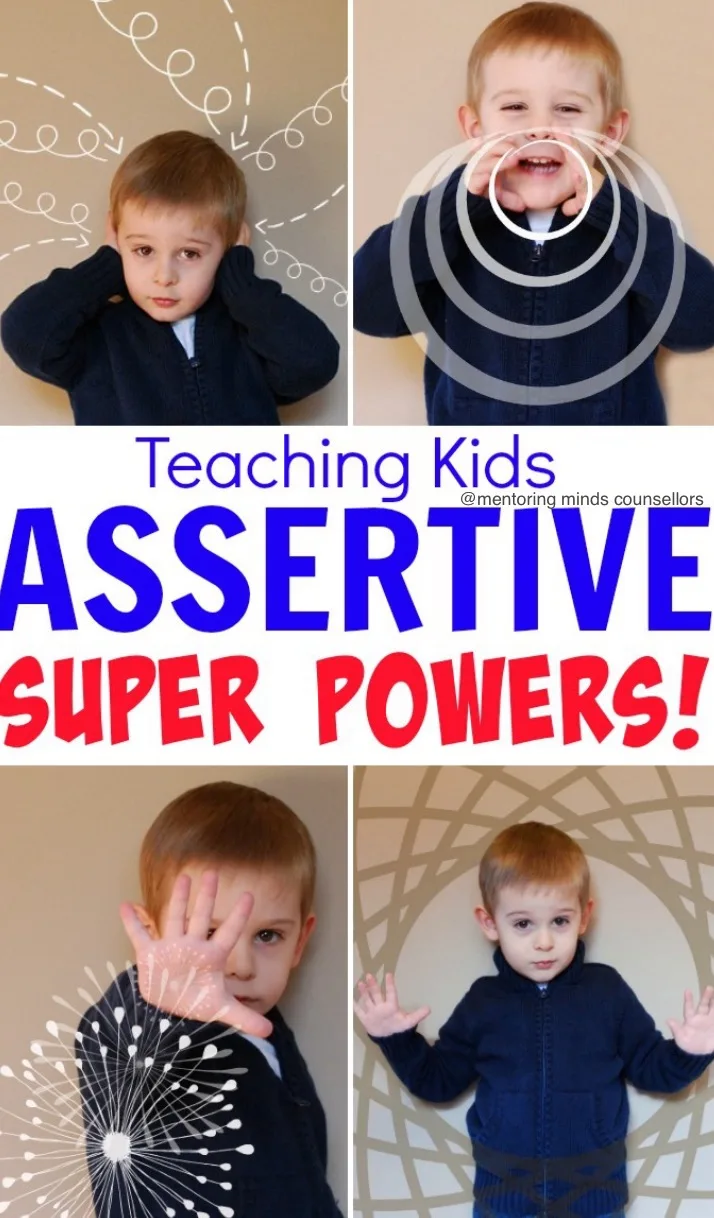
Assertiveness is a crucial skill for children to develop as they navigate the complexities of growing up. It empowers them to express their thoughts, feelings, and needs effectively while respecting the rights and boundaries of others. Mentoring Minds Counsellors helps to understand the Assertiveness for the benefit of their Children.
Understanding Assertiveness:
Assertiveness lies at the heart of healthy communication. It involves expressing oneself confidently, standing up for one’s rights, and advocating for personal boundaries in a respectful manner. Unlike aggression, which disregards the feelings of others, assertiveness seeks a balance between self-expression and consideration for others.
Why is Assertiveness Important for Children?
- Self-Confidence: Assertive children believe in their abilities and are more likely to pursue their goals with determination.
- Healthy Relationships: By communicating their needs and boundaries clearly, children can establish healthier relationships with peers and adults.
- Conflict Resolution: Assertiveness equips children with the skills to resolve conflicts peacefully, fostering better social interactions.
- Empowerment: When children feel empowered to voice their opinions and concerns, they develop a sense of autonomy and independence.
Tips for Nurturing Assertiveness in Children:
- Lead by Example: Children learn by observing adult behavior. Model assertive communication in your interactions with them and others.
- Encourage Self-Expression: Create an environment where children feel safe to express their thoughts, feelings, and opinions without fear of judgment or ridicule.
- Teach Assertive Language: Help children articulate their needs and feelings using “I” statements, such as “I feel…” or “I need…,” rather than aggressive or passive language.
- Role-Playing Scenarios: Practice assertive responses to common situations through role-playing. This helps children develop confidence in asserting themselves in real-life situations.
- Praise Assertive Behavior: Acknowledge and praise instances where your child demonstrates assertiveness, reinforcing the importance of this skill.
- Set Boundaries: Teach children to set and respect personal boundaries, as well as recognize and honor the boundaries of others.
- Problem-Solving Skills: Teach children how to negotiate and find solutions to conflicts assertively, emphasizing compromise and understanding.
- Address Fear of Rejection: Help children understand that it’s okay to express themselves, even if others may disagree. Emphasize that their opinions and feelings are valid.
To Sum Up:
By fostering assertiveness in children, mentoring minds counsellors can help the parents empower them to navigate the complexities of interpersonal relationships with confidence and respect. Through modeling, encouragement, and skill-building activities, parents can help their children develop this essential trait, laying the foundation for a lifetime of healthy communication and relationships.