
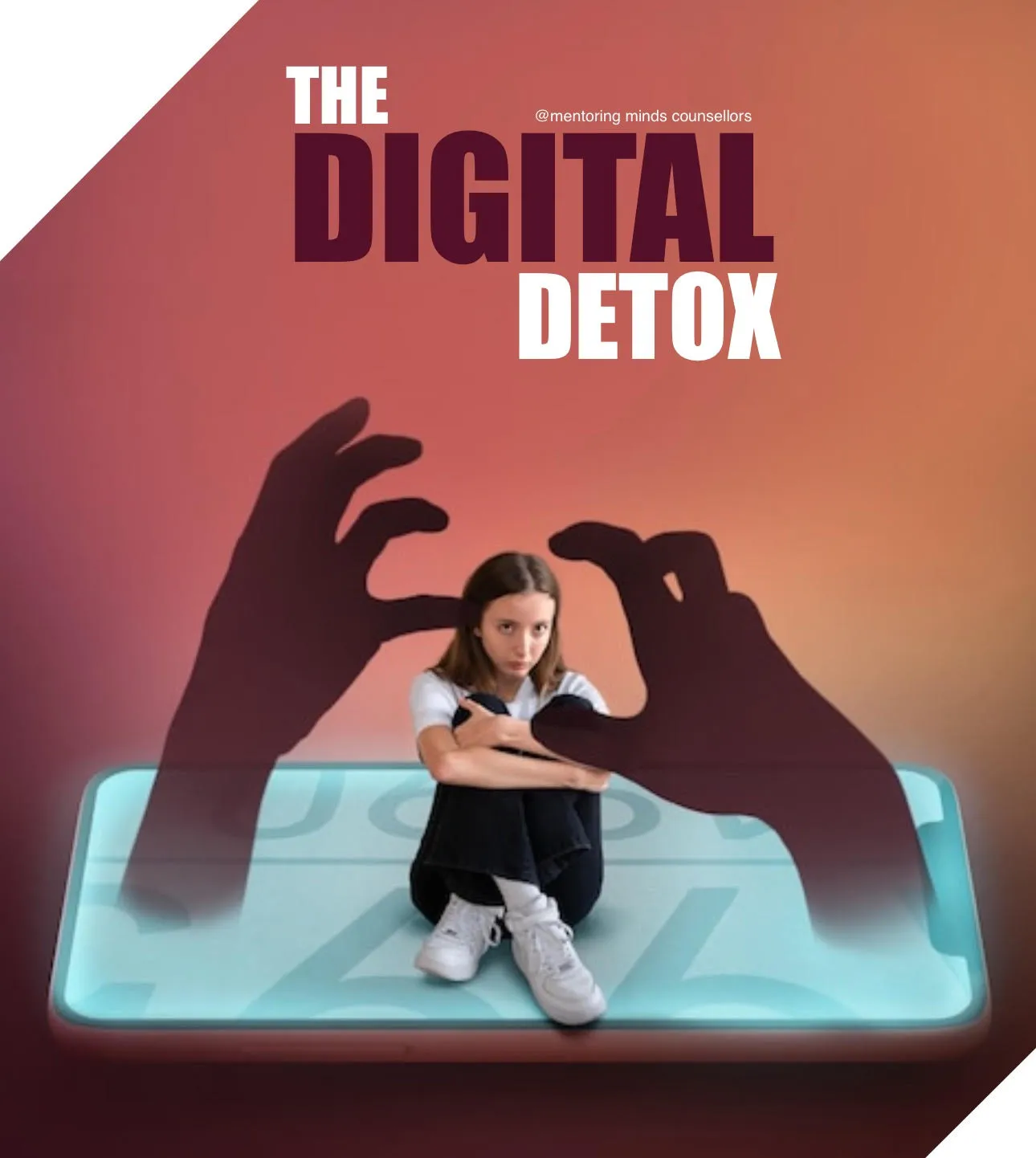
In today’s world from the moment we wake up to the time we fall asleep, we interact with digital devices phones, laptops, tablets, TVs, and even smart home gadgets. While technology brings incredible convenience, it also quietly creates mental clutter, stress, and dependence. This is where the concept of Digital Detox comes in.
What Is a Digital Detox?
A digital detox is a planned period of time during which a person reduces or completely disconnects from digital devices. This includes smartphones, social media, laptops, tablets, video games, and sometimes even TV.
The purpose is simple:
To reduce digital overstimulation
To reset your mind and regain control over your time
To reconnect with yourself, others, and the offline world
It’s not about rejecting technology altogether. Instead, it’s about using it mindfully rather than habitually.
Why is Digital Detox Needed?
1. To Reduce Stress
Constant notifications, endless scrolling, and the pressure to stay updated can overstimulate the brain. Research through scientist in 2021 claimed that excessive screen time especially social media can increase anxiety, comparison-based stress, and information overload.
A digital detox helps your brain slow down and relax.
2. To Improve Sleep Quality
Screen exposure before bedtime affects melatonin production, making it harder to fall asleep.
Unplugging especially in the evening can help you:
- fall asleep faster
- sleep deeper
- wake up feeling refreshed
3. To Reduce Digital Distraction
Digital distractions are everywhere messages, emails, alerts, and infinite social feeds. These interruptions make it difficult to concentrate and reduce overall productivity.
A detox gives you mental clarity and helps you break the cycle of checking your phone every few minutes.
4. To Rebuild Connections
While technology connects us virtually, it often distances us from the people sitting right next to us. Many relationships family, friendships, romantic benefit from more present and meaningful interactions.
A digital detox encourages face-to-face conversations and real emotional bonding.
5. To Reduce Physical Strain
Excessive device use contributes to:
- headaches
- eye strain
- neck and back pain (“tech neck”)
- poor posture
Taking intentional breaks allows your body to recover.
6. To Reconnect With Yourself
When we constantly absorb digital content, we rarely spend time with our own thoughts. A detox creates space for:
- self-reflection
- creativity
- mindfulness
- pursuing hobbies
This strengthens your emotional and mental well-being.
How to Start a Digital Detox?
You don’t need to disappear from the online world entirely. Try small, practical steps:
- Set “no-phone” hours (for e.g., during meals or after 9 PM)
- Turn off non-essential notifications
- Replace morning scrolling with stretching or reading
- Have tech-free weekends or evenings
- Keep your phone out of the bedroom
Even these small changes can make a huge impact.
Final Thoughts
We at Mentoring Minds Counsellors understand that digital detox is not about abandoning technology. It’s about reclaiming balance. In a world that constantly demands your attention, unplugging becomes an act of self-care.
Taking time away from screens helps you think more clearly, feel more grounded, and live more intentionally. It allows you to pause, breathe, and reconnect with yourself, your goals, and the people who matter most.
Leave a Comment