
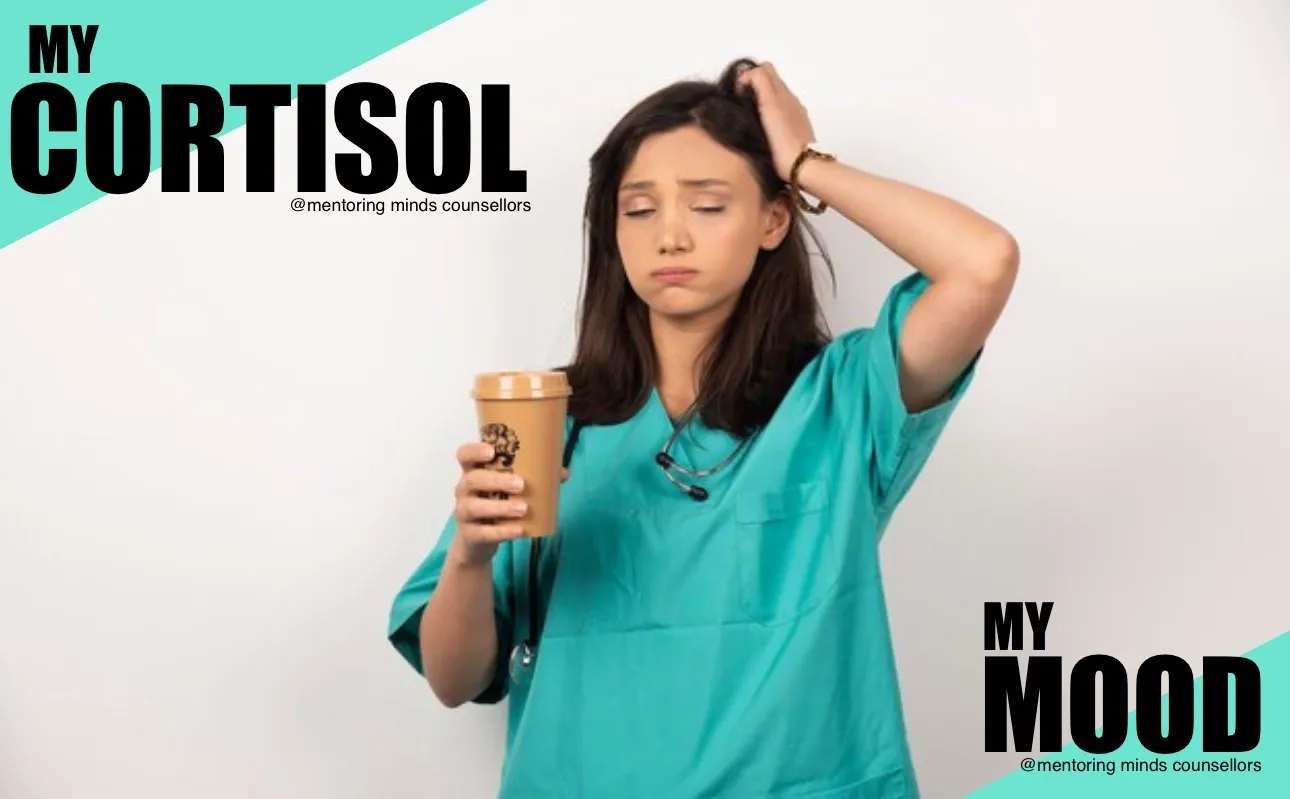
We often talk about mood as if it’s an abstract, mysterious thing that comes and goes on its own. But behind the scenes, your body is running a complex system of chemistry, hormones, and signals one of the most important being cortisol.
Cortisol is commonly known as the stress hormone, and while it often gets a bad reputation, it’s actually essential for your well-being. The key is balance.
What Exactly Is Cortisol?
Cortisol is a hormone released by your adrenal glands, especially when your brain senses stress, pressure, or a need for extra energy. Think of cortisol as your body’s internal “emergency manager.”
In short bursts, it helps you:
- Wake up with energy
- Stay alert
- Handle challenges
- Fight inflammation
But when cortisol stays high for too long, it starts influencing your mood in ways you probably don’t enjoy.
How Cortisol Affects Your Mood?
1. Heightening Emotional Sensitivity
High cortisol levels make your brain more reactive. Small issues suddenly feel bigger. A simple comment may feel like criticism. Your emotional “volume” gets turned up.
2. Shrinking The Calm Zone
Chronic stress can reduce the functioning of the prefrontal cortex the part of your brain that handles reasoning, emotional control, and calm decision-making. When cortisol is high, you may feel more irritable, overwhelmed, or anxious.
3. Interfering With Serotonin
Cortisol also affects neurotransmitters linked to happiness and motivation. When these are disrupted, positive emotions feel harder to access.
4. Influencing Sleep
Ever tried sleeping after a stressful day? High cortisol keeps your body on “alert mode,” and lack of sleep further destabilizes mood.
Being Positive Mood Despite Cortisol?
1. The Rest Window
The brain isn’t built for nonstop stimulation. Short breaks regulate cortisol better than one long rest.
- 2 minutes of silence
- Looking away from your screen
- A few shoulder rolls
- Listening to a calming song
2. Stabilising Cortisol
Skipping meals, high sugar intake, or excess caffeine can all trigger cortisol spikes.
Trying: protein + fiber + healthy fat in every meal. Stable blood sugar = stable mood.
3. Practicing “Positive Anchoring”
Your brain naturally remembers negative things more easily.
To keep cortisol in check, intentionally anchor yourself to positive experiences.
Try this once a day:
Think of one small thing that made you feel good sunlight, chai, a compliment, a laugh.
Relive it for 10–15 seconds.
This rewires your emotional baseline.
4. Sleep is my Medicine
Because it is.
Good sleep resets cortisol levels and restores emotional balance.
Even one night of poor sleep can push mood and stress sensitivity off track.
The Gentle Reminder
We at Mentoring Minds Counsellors believe that Your mood isn’t just “you being emotional.”
It’s your biology, your thoughts, your environment, your nervous system all interacting at once.
Cortisol isn’t your enemy. It’s your body’s way of helping you survive.
But learning to regulate it is how you begin to truly live calmly, intentionally, and with more positive energy.
Your mind and body will meet you halfway.
Leave a Comment