
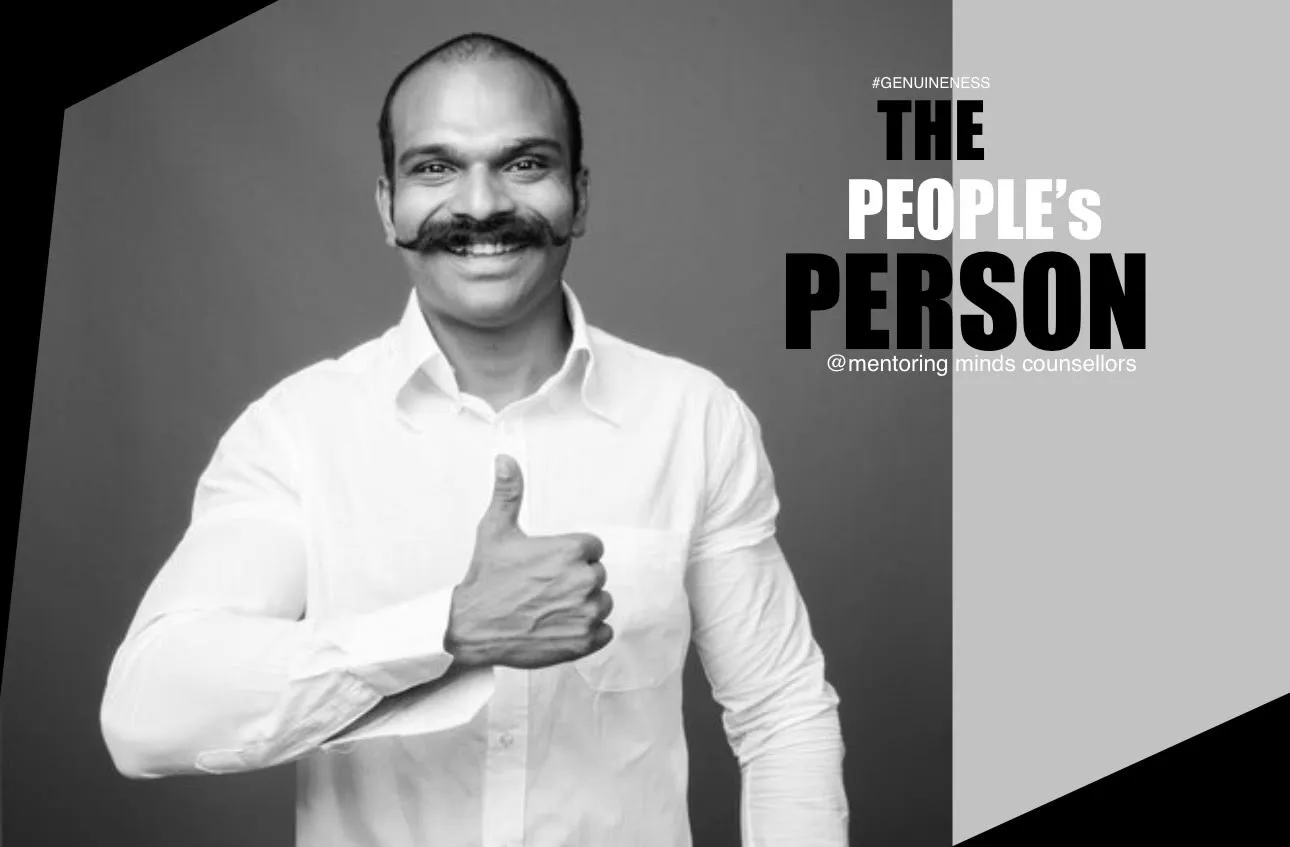
There’s something quietly magnetic about a “people’s person.” You know the type they walk into a room and, without trying too hard, make others feel seen, heard, and comfortable. They’re not always the loudest or the most charismatic in the traditional sense, but there’s a warmth to them that draws people in.
So what kind of psychology sits behind this? And can someone actually become like that, or is it just a personality you’re born with?
What can be their Psychology?
At the core, a people’s person is deeply tuned into others. This doesn’t necessarily mean they’re extroverted. In fact, many are quite balanced. What sets them apart is their emotional intelligence.
They tend to have a strong sense of empathy. Not just the ability to understand someone logically, but to feel with them. When someone talks, they’re not just waiting for their turn to speak they’re actually present. That presence is rare, and people notice it immediately.
Another key trait is social awareness. They can read a room without overthinking it. They pick up on subtle cues tone, body language, pauses. This helps them respond in ways that feel natural and considerate, rather than forced or awkward.
There’s also a level of internal security. People’s people don’t usually need to dominate conversations or prove themselves constantly. They’re comfortable enough with who they are that they can give others space to shine. Ironically, that’s what often makes them more likable.
And then there’s curiosity. Genuine curiosity. They are interested in people not as a strategy, but as a mindset. They find stories, perspectives, and differences fascinating rather than threatening.
What They Don’t Do?
It’s just as important to understand what a people’s person avoids.
They don’t fake interest for the sake of approval. People can sense insincerity quickly. A true people’s person isn’t trying to “win” people they’re trying to connect.
They also don’t overextend themselves endlessly. While they care about others, the healthier ones maintain boundaries. Being good with people doesn’t mean being available to everyone all the time.
And they don’t center every interaction around themselves. They know when to share and when to listen.
Can Someone Become a People’s Person?
The answer is yes but not by copying behaviors alone. It’s more about shifting how you see and engage with others.
Start with listening. Real listening. The kind where you’re not mentally drafting your reply. Ask follow-up questions. Let conversations breathe. This alone can transform how people experience you.
Next, work on empathy. Try to understand where someone is coming from, even if you don’t agree. You don’t have to validate every opinion, but you can acknowledge the feeling behind it.
Then, pay attention to your presence. Are you distracted when someone talks to you? Do you check your phone mid-conversation? Small signals matter more than grand gestures.
Another powerful shift is letting go of the need to impress. When you stop trying to be interesting, you often become more approachable. People feel safer around authenticity than perfection.
Finally, building self-awareness. Notice your own reactions, insecurities, and habits in social settings. Growth starts there.
The Subtle Truth
We at Mentoring Minds Counsellors understand that being a people’s person isn’t about becoming someone else. It’s about removing the barriers that keep you from connecting fear, distraction, ego, or self-doubt.
When those soften, what’s left is something very simple: attention, kindness, and presence. And those qualities, more than any personality type, are what truly draw people in.
Leave a Comment