
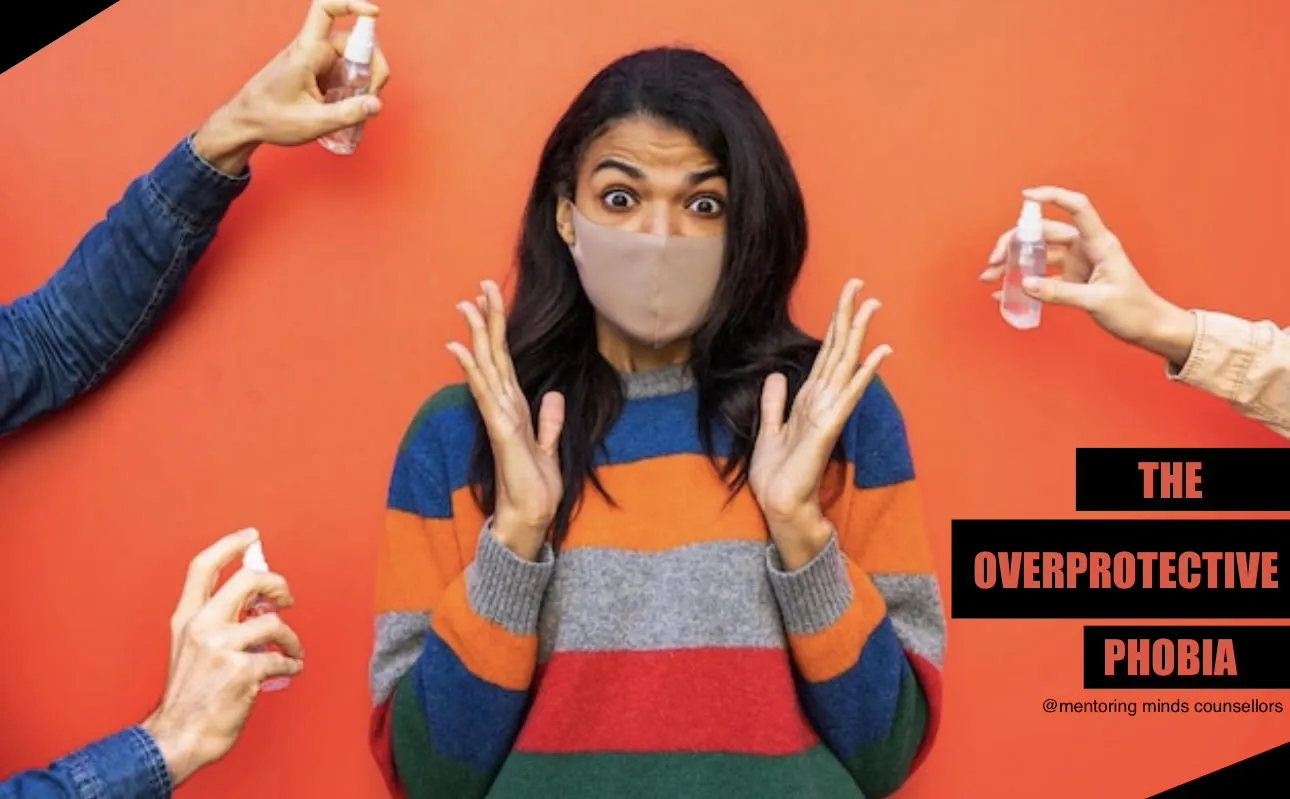
Protection is a natural human instinct. We want to keep the people we love safe from pain, failure, rejection, or harm. But when this instinct crosses a line and becomes driven by intense fear and anxiety, it can turn into what is often referred to as overprotective phobia.
While it isn’t an official clinical diagnosis, overprotective phobia is a very real psychological pattern seen in parents, partners, caregivers, and even friends. It’s the fear that something terrible will happen if I don’t constantly protect or control the other person.
What Is Overprotective Phobia?
Overprotective phobia is the excessive and irrational fear of harm coming to a loved one, leading to constant monitoring, control, and restriction of their independence.
At its core, it is not about love it is about fear. However, this fear may show up as:
- Constant worry about safety, health, or decisions
- Difficulty trusting others or the world
- A strong need to stay in control
- Panic at the thought of separation or independence
Many people experiencing this don’t even realise it’s fear. They often believe:
“I’m just being careful.”
“The world is unsafe.”
“If I don’t intervene, something bad will happen.”
Where Does This Fear Come From?
Overprotective phobia usually develops from unresolved emotional experiences, such as:
1. Past Trauma
Someone who has experienced sudden loss, illness, abuse, or accidents may become hyper-alert. The mind learns:
“Danger can come anytime.”
2. Anxiety Disorders
Generalised anxiety, separation anxiety, or panic tendencies can fuel constant fear and catastrophic thinking.
3. Childhood Conditioning
Growing up with overprotective caregivers often creates a belief that the world is unsafe and people cannot manage on their own.
4. Guilt or Fear of Failure
Some caregivers feel responsible for everything that goes wrong, believing:
“If something happens, it will be my fault.”
How Does Overprotective Phobia Impact Relationships?
What starts as concern can slowly become emotional suffocation for both people involved.
How does it Impact on the Overprotective Person
- Chronic stress and mental exhaustion
- Persistent anxiety and fear
- Difficulty relaxing or trusting
- Emotional burnout
- Loss of personal identity beyond caregiving
How does it Impact on the Other Person
- Low confidence and self-doubt
- Difficulty making decisions
- Fear of independence
- Rebellion or emotional withdrawal
- Feeling controlled rather than cared for
Over time, the relationship may shift from connection to control, damaging trust and emotional safety.
How Can Someone Overcome Overprotective Phobia?
1. Identifying the Real Fear
Ask yourself gently:
- What am I afraid will happen?
- Where did this fear begin?
Often, the fear is about loss, helplessness, or abandonment, not safety.
2. Separate Love from Control
Love supports growth.
Control restricts it.
Remind yourself:
“Protecting someone does not mean living their life for them.”
3. Challenge Catastrophic Thoughts
When fear arises, ask:
- Is this thought a fact or a fear?
- What evidence supports this belief?
Replacing “what if” thinking with realism reduces anxiety.
4. Practice Gradual Letting Go
Start small:
- Allow age-appropriate independence
- Resist immediate intervention
- Observe rather than control
Discomfort will arise but it will pass.
5. Work on Your Own Emotional Safety
Often, overprotection reflects inner insecurity.
Building self-confidence, emotional regulation, and stress management is essential.
“What am I trying to protect within myself?”
A Gentle Reminder
We at Mentoring Minds Counsellors understand that Being protective is not wrong.
Being loving is not wrong.
But when protection is driven by fear, it limits both the protector and the protected.
True care says:
“I trust you to live, learn, fall, and rise.”
Letting go doesn’t mean you stop caring it means you start trusting life again.
Leave a Comment